

B5: Significance of Interferon regulated factors (IRFs) for integration of tumorsuppression and immunosurveillance

Prof. Dr. Andreas Burchert
Klinik für Innere Medizin
SP Hämatologie, Onkologie & Immunologie
Universitätsklinikum Giessen und Marburg GmbH
Baldingerstraße
35033 Marburg
Klinik für Innere Medizin
SP Hämatologie, Onkologie & Immunologie
Universitätsklinikum Giessen und Marburg GmbH
Baldingerstraße
35033 Marburg
phone: +49 6421 58 65061
Fax: +49 6421 58 65062
E-Mail: A. Burchert
Homepage: AG Burchert
Fax: +49 6421 58 65062
E-Mail: A. Burchert
Homepage: AG Burchert
Cooperation within LOEWE
B6 - M. Lohoff
C5 – S. Bauer
C5 – S. Bauer
Graduate student
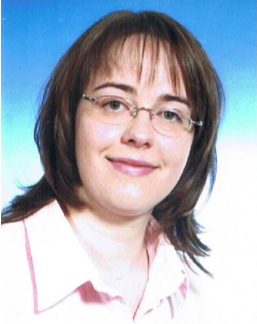
Sabrina Inselmann
Personal advisory board: Burchert, Lohoff, Renkawitz-Pohl, Konur
| B5: Significance of Interferon regulated factors (IRFs) for integration of tumorsuppression and immunosurveillance |
|
Patients with a BCR-ABL positive chronic myeloid leukemia (CML) have also lost expression of the tumor suppressor and transcription factor interferon regulatory factor (IRF)-8 and IRF-4. Since many years, our group is engaged to reveal the role of IRF-8 and IRF-4 for the pathogenesis of CML. Whereas IRF-8 is an essential transcription factor for the maturation of plasmacytoid dendritic cells (pDC) IRF-4 plays an important role for Th17 differentiation.
Using our well established in vitro leukemia modell, we find a strong cooperation of BCR-ABL and IRF-8 during transformation of heamtopoietic progenitor cells. The underlying mechanism of this cooperation will be analysed using primary progenitor cells.
In close cooperation with the group of M. Lohoff (see also subproject B6) an inducible expression system for IRF-8 in BCR-ABL transduced progenitor cells will be established. Using this in vitro model we will ask the question whether IRF-8 will perform its tumorsuppressive function by regulating central gatekeeper genes with transformational capacity like p53 or Arf. To do so, chromatin immunoprecipitation followed by sequencing (ChIP-seq) technique will be used.
Beside the strong significance of IRF-8 deficiency in BCR-ABL induced transformation processes, at time it is not clear, if IRF-8 deficiency is also responsible for the maintenance of the malignant phenotype. For this, it will be necessary to induce in vivo IRF-8 in BCR-ABL positive/IRF8-negative leukemia cells and to analyze wether a leukemia phenotype can be reverted. For this experiments not only IRF-8- but also IRF-4 ko mice may be used as:
I) IRF-4 deficiency is also observed in CML patients, demonstrating the significance of the IRF-4 pathway for leukemia and
II) the significance of T cell subpopulations (Th17, NK cells and CD8-positive T cells) for leukemia induction may be answered, as these mice show defects in differentiation of T cell populations. IRF-4 mice will be provided by the group of Lohoff.
The role of pDC during leukemogenesis and leukemia maintenance is not yet clear, but we observed an IRF-8 dependent loss of pDCs in CML patients. The adoptive add-back of pDCs into IRF-8-deficient mice and treatment with TLR-9 specific CpG-Oligos will allow to reveal the importance of pDCs in leukemia manifestation and therapy response.
References:
Wang, Y., Cai, D., Brendel, C., Barett, C., Erben, P., Manley, P.W., Hochhaus, A., Neubauer, A., Burchert, A. (2007). Adaptive secretion of granulocyte-macrophage colony-stimulating factor (GM-CSF) mediates imatinib and nilotinib resistance in BCR/ABL+ progenitors via JAK-2/STAT-5 pathway activation. Blood, 109, 2147-2155.
Ortmann CA, Burchert A, Hölzle K, Nitsche A, Wittig B, Neubauer A, Schmidt M. (2005). Down-regulation of interferon regulatory factor 4 gene expression in leukemic cells due to hypermethylation of CpG motifs in the promoter region. Nucl. Acids Res, 33(21):6895-905.
Burchert, A., Cai, D., Hofbauer, L.C., Samuelsson, M.K., Slater, E.P., Duyster, J., Ritter, M., Hochhaus, A., Müller, R., Eilers, M., Schmidt, M., Neubauer, A. (2004). Interferon consensus sequence binding protein (ICSBP; IRF-8) antagonizes BCR/ABL and down-regulates bcl-2. Blood, 103, 3480-3489.
|
| Last Updated on Friday, 02 October 2009 09:50 |